
Stress is a normal physical and mental reaction to events
that can cause feelings of tension, pressure, or discomfort. Stress can come
from a variety of sources, such as work, school, relationships, and financial
problems.
Stress itself is not a mental illness, but it can contribute
to the development or worsening of mental health conditions such as anxiety and
depression. It is important to manage stress in healthy ways to prevent it from
affecting your mental health.
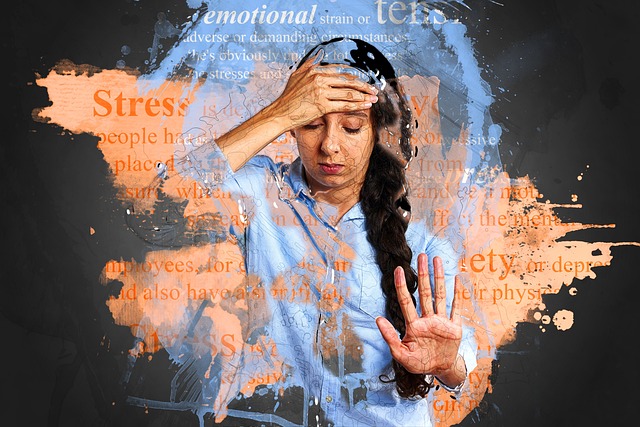 |
| Credit: Pixabay |
Types Of Stress
There are several different types of stress that can affect
people. Here are a few examples:
- Acute
stress : This is the most common type of stress, and it is typically
short-term and occurs in response to a specific event or situation. Acute
stress can be caused by things like meeting a tight deadline or giving a
presentation.
- Chronic
stress: This type of stress is ongoing and persistent, and it can be
caused by things like a demanding job or a difficult living situation.
Chronic stress can have a negative impact on physical and mental health.
- Episodic
acute stress: This type of stress is characterized by periods of acute
stress that are followed by periods of relative calm. People who
experience episodic acute stress may have a pattern of getting stressed
out about specific events and then returning to a more relaxed state when
those events are over.
- Stressful
events: These are major life events that can be stressful, such as moving,
getting married, or having a baby.
- Trauma:
Traumatic events, such as experiencing a natural disaster or being the
victim of a crime, can cause long-term stress.
- Stress
overload: This occurs when a person is exposed to a high level of stress
for an extended period of time, and it can lead to physical and emotional
exhaustion.
Causes of Stress
There are many different things that can cause stress, and
what causes stress can vary from person to person. Some common causes ofstress include:
- Work
or school: Demanding jobs or a heavy workload can be a major source of
stress.
- Relationships:
Difficulties in relationships with family, friends, or romantic partners
can cause stress.
- Finances:
Money problems, such as not having enough to pay bills or being in debt,
can be a major source of stress.
- Health
problems: Coping with a chronic illness or dealing with the aftermath of
an injury can be stressful.
- Major
life changes: Stressful life events, such as moving, getting married, or
having a baby, can be challenging.
- Personal
problems: Stress can also be caused by personal issues, such as low
self-esteem or feelings of inadequacy.
- Environmental factors: Noise, pollution, and other factors in the environment can also contribute to stress.
Symptoms Of Stress
The symptoms of stress can vary from person to person, but
some common symptoms include:
- Physical
symptoms: headache, muscle tension or pain, fatigue, sleep problems,
stomach problems, changes in appetite
- Emotional
symptoms: anxiety, irritability, sadness, feeling overwhelmed, difficulty
concentrating, difficulty making decisions
- Behavioral
symptoms: changes in eating habits, changes in sleep patterns,
procrastination or neglecting responsibilities, increased use of alcohol,
tobacco, or drugs
- Cognitive
symptoms: racing thoughts, difficulty remembering things, negative
thinking
 |
| Credit:Pixabay |
Factors Which Increase The Negative Impact Of Stress
There are several factors that can increase the negative
effect of stress:
- Lack
of support: Having a strong support system can help you cope with stress.
Without the support of friends and family, it can be harder to manage
stress.
- Poor
coping skills: If you don't have healthy ways of coping with stress, it
can have a greater impact on you.
- Unhealthy
habits: Substance abuse, overeating, or not getting enough physical
activity can increase the negative effects of stress.
- Chronic
health problems: If you have a chronic health condition, stress can
exacerbate your symptoms and make them more difficult to manage.
- Previous
trauma: If you have experienced previous trauma, you may be more sensitive
to stress and it may have a greater impact on you.
- Lack
of control: If you feel like you have no control over a stressful
situation, it can increase the negative effects of stress.
- Negative
mindset: A negative outlook can make it harder to cope with stress.
Believing that you can't handle a situation or that it is insurmountable
can increase the effects of stress.
How We Can Manage Stress
Stress management is the process of identifying and reducing
stress in your life. It involves finding healthy ways to cope with stress and
prevent it from affecting your physical and mental health. Here are a few
strategies for managing stress:
- Exercise:
Physical activity can help reduce stress by releasing endorphins, which
are chemicals in the brain that act as natural painkillers and mood
elevators. Exercise has been shown to reduce stress and improve overall
physical and mental well-being.
- Get
enough sleep: Lack of sleep can increase stress, so it is important to get
enough rest.
- Eat a
healthy diet: A healthy diet can help you feel better physically and
mentally.
- Take
time to relax: Make time for activities that you enjoy, such as reading,
listening to music, or spending time with friends.
- Practice
mindfulness: Focusing on the present moment can help you manage stress by
allowing you to let go of worries about the past or future.
- Talk
to someone: Sharing your feelings with a trusted friend or family member
can help you feel better. You can also consider speaking with a mental
health professional.
- Learn
to say no: It is okay to set boundaries and say no to commitments that
would be too stressful.
- Identifying
and managing your stressors: Take some time to think about what is causing
you stress and try to remove or reduce those stressors where possible.
- Practice
relaxation techniques: Techniques such as deep breathing, meditation, and
yoga can help you relax and calm your mind
- Take
breaks: Take regular breaks from work and other activities to give your
mind and body a chance to rest and recharge. This can help you feel more
refreshed and better able to handle stress.
- Practice good time management: Planning and organizing your time can help you feel more in control and less overwhelmed.
It is important to mention that If someone is struggling to cope with stress on its own, it may be helpful to seek support from a mental health professional or a support group.