
What Is Terraforming and Why We Want to Do It?
Terraforming is the process of altering a planet or other
celestial body to make it habitable for humans or other Earth-like life forms.
The idea of terraforming is often associated with the goal of colonizing other
planets, particularly Mars, which has long been considered a prime candidate
for terraforming due to its proximity and similarity to Earth.
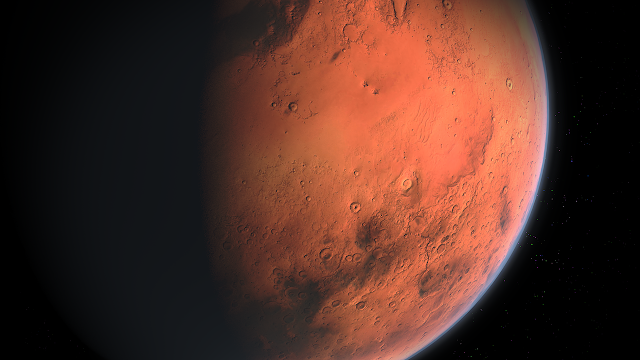
The primary motivation for terraforming Mars is to establish a second home for humanity, as a backup in case of a catastrophic event on Earth or as a way to expand our species beyond our home planet. The idea of colonizing other planets has captured the public imagination for generations, and Mars, in particular, has been the subject of countless works of science fiction.
 |
| Pixabay |
Environmental,
Technological, and Ethical Considerations
Terraforming Mars is a complex and challenging process that
would require significant technological advancements and careful consideration
of a wide range of environmental, technological, and ethical factors. Some of
the key considerations that must be taken into account include:
Environmental considerations: Mars is a hostile environment,
with a thin atmosphere and harsh surface conditions that would make it
difficult for humans and other life forms to survive. Terraforming would
require significant alterations to the Martian environment, including the
creation of a thicker atmosphere, a stable temperature range, and a reliable
water supply. These changes could have significant ecological impacts, and
careful consideration would need to be given to the potential unintended
consequences of terraforming.
Technological considerations: Terraforming Mars would
require the development of new technologies that do not yet exist, including
methods for generating a thicker atmosphere, creating a sustainable water
cycle, and establishing a habitable temperature range. The development of these
technologies would require significant investments in research and development,
and there is no guarantee that they will ever be successfully developed.
Ethical considerations: Terraforming Mars raises a range of
ethical questions, including questions about the rights of any indigenous life
forms that may exist on the planet, the potential impacts of terraforming on
the environment, and the allocation of resources towards the goal of colonizing
other planets rather than addressing problems on Earth. These issues must be
carefully considered and addressed before any attempts at terraforming are
made.
Overall, the environmental, technological, and ethical
challenges of terraforming Mars are immense, and the feasibility of the process
remains uncertain. While the idea of colonizing other planets is exciting, it
is important to approach the process with caution and careful consideration of
all potential impacts and consequences.
Atmospheric,
Geological, and Biological Approaches
There are several proposed methods for terraforming Mars,
each with its own set of advantages and challenges. These approaches can be
broadly categorized into atmospheric, geological, and biological approaches:
Atmospheric Approach:
One proposed method for terraforming
Mars is to thicken the planet's atmosphere by releasing gases such as carbon
dioxide and methane, which would help to warm the planet and create a more
Earth-like environment. This could be accomplished by using technologies such
as orbital mirrors, which would reflect sunlight onto the planet's surface to
help warm it, or by using large-scale factories to produce greenhouse gases and
release them into the atmosphere.
Geological approach:
Another proposed method for
terraforming Mars is to alter the planet's surface in order to create a more
habitable environment. This could include mining the planet's surface for
resources such as water, which could be used to create a sustainable water
cycle on the planet. It could also involve building large-scale infrastructure
such as domed cities or underground habitats, which would provide shelter and
protection from the planet's harsh surface conditions.
Biological approach:
A third proposed method for
terraforming Mars is to introduce biological life forms that could help to
create a more Earth-like environment on the planet. This could include introducing
genetically engineered plants that could thrive in the Martian environment and
help to produce oxygen, as well as bacteria or other microorganisms that could
help to create a sustainable soil ecosystem on the planet.
Each of these approaches has its own set of advantages and
challenges, and it is likely that a combination of all three approaches will be
necessary in order to successfully terraform Mars. However, before any attempts
at terraforming are made, it is important to carefully consider the potential
impacts of these approaches on the planet's environment and ecosystem, as well
as the ethical implications of introducing life forms to a new planet.
Scientific,
Economic, and Humanitarian Implications
Terraforming Mars would have significant implications in a
range of fields, including scientific, economic, and humanitarian implications.
Some of the key implications include:
Scientific Implications:
Terraforming Mars would provide a
unique opportunity to study the processes that govern the evolution of planets
and the conditions necessary for life to emerge and thrive. Studying the
Martian environment could help us better understand the history of our own
planet and the factors that make it habitable, as well as advance our
understanding of astrobiology and the search for life beyond Earth.
Economic implications:
Terraforming Mars could have
significant economic benefits, particularly if the planet is found to contain
valuable resources such as water or minerals. These resources could be used to support
the development of space-based industries, such as mining or manufacturing,
which could help to drive economic growth and create new jobs.
Humanitarian Implications:
Terraforming Mars could provide a backup plan for humanity in case of a catastrophic event on Earth, such as a major asteroid impact or global climate change. It could also provide a new frontier for human exploration and colonization, which could have psychological and social benefits for humanity as a whole.
Overall, while the potential benefits of terraforming Mars
are significant, it is important to approach the process with caution and
careful consideration of all potential implications and consequences. It will
be important to carefully balance the scientific, economic, and humanitarian
goals of terraforming with the need to protect the planet's environment and
ecosystem
Progress Made So Far and What Lies Ahead
While there has been significant progress in our understanding of Mars and the potential for terraforming, much work remains to be done before we can realistically consider transforming the planet into a more Earth-like environment.
Some of the key achievements and ongoing
challenges include:
Understanding the Martian environment:
Over the past several
decades, numerous robotic missions to Mars have provided a wealth of data on
the planet's climate, geology, and potential resources. This information is critical
to developing effective terraforming strategies, and ongoing research and
exploration will be necessary to continue to expand our understanding of the
Martian environment.
Developing terraforming technologies:
Significant research
and development will be required to develop the technologies necessary to
create a habitable environment on Mars. This could include developing new
methods for generating greenhouse gases, creating artificial atmospheres, or
creating sustainable ecosystems on the planet's surface.
Balancing the costs and benefits:
While terraforming Mars could have significant benefits, there are also significant costs and risks associated with the process. It will be important to carefully weigh the potential benefits against the environmental and ethical considerations, as well as the financial and technological challenges involved.
Looking ahead, continued research and development will be
necessary to address these and other challenges. Ongoing exploration of Mars,
as well as new developments in fields such as astrobiology, will be critical to
developing effective terraforming strategies. Ultimately, whether or not
terraforming Mars is feasible and desirable will depend on careful
consideration of the scientific, economic, ethical, and social implications, as
well as a continued commitment to exploring and understanding the Red Planet.